Baccarat Rules Explained: A Clear-Headed Look at the Table
If you’ve spent any time around a busy casino floor, you’ve probably watched the baccarat shoe shuffle past with the same quiet rhythm that makes it so easy to misread. The game isn’t trying to be clever, and that’s exactly why it earns a seat at the table when you want something that runs on clear maths rather than flash. Baccarat rules explained properly strip away the velvet curtain and leave you with three betting pockets, a fixed drawing sequence, and a house edge that stays put no matter how many arvo coffees you’ve had. What makes it different from the usual casino pitch is the priority: you’re not hunting for a bonus mechanic that complicates the deal, you’re reading a game that rewards patience and a steady hand. The best way to approach it is to treat the rules as a working map, not a brochure, and that’s where a clear breakdown earns its keep.
How the Shoe Actually Plays Out

The first thing worth sorting is what happens before a single card hits the felt. Baccarat runs on a shoe that typically holds six or eight decks, shuffled together and drawn one at a time until the cut card turns up. You’re not picking cards, you’re picking a side: Player, Banker, or the Tie. The dealing sequence is fixed by the game’s own rules, so once the first two cards land for each side, the table checks a simple point total and decides whether a third card gets pulled. Cards two through nine keep their face value, aces count as one, and tens and picture cards drop to zero. If either side hits a total of eight or nine on the first two cards, that’s a natural and the hand stands. Anything below that triggers the third-card chart, which is just a set of fixed conditions that tell the dealer when to draw. You don’t need to memorise the whole chart on day one, but it helps to know the logic: the Player side draws on five or less, the Banker side follows its own thresholds that shift depending on what the Player just did. That’s the whole engine, and it’s why the game feels so steady once you’ve watched a few shoes run.
If you’re weighing how a table game like this fits next to the machine rows, it’s worth remembering that the loosest slots advertising claims are marketing, not guarantees of your personal result. That distinction matters because baccarat doesn’t dress itself up with volatility promises or near-miss psychology; the outcome is decided by fixed drawing rules and a shoe that keeps moving. For anyone who wants to see how a clean table game sits alongside a broader session plan, it helps to check out a straightforward breakdown of the rules before you put any chips in play. The point isn’t to turn the table into a puzzle, it’s to know exactly what you’re betting on and what the draw sequence is already doing for you.
Reading the Table Without the Fancy Dress
Once the dealing logic makes sense, the next thing to sort is what you’re actually placing your money on. The three main bets are straightforward on the surface, but the edge and the payout structure are what separate a calm session from a messy one. A Player bet pays even money and carries a house edge that sits a touch higher than the Banker side. A Banker bet also pays even money in most casual settings, though the casino usually takes a five per cent commission on winning Banker wagers, which is how the house keeps its mathematical edge intact. The Tie bet pays out at a much richer rate, commonly eight to one or nine to one, but the edge on that side of the table is considerably steeper, which is why regular players tend to treat it as a side thought rather than a main event. If you’re coming from a background where you’ve watched the pokies floor do its own thing, the difference is obvious: baccarat doesn’t ask you to chase a bonus round or wait for a feature to trigger, it just asks you to pick a side and read the shoe.
For a quick side-by-side, the table below keeps the main bets in view without the usual casino gloss.
| Bet | Typical Payout | House Edge (approx.) | What It Means |
|---|---|---|---|
| Player | 1 to 1 | Around 1.24% | Even-money win, no commission, slightly higher edge than Banker |
| Banker | 1 to 1 (less 5% commission) | Around 1.06% | Lowest edge on the table, commission applies on wins |
| Tie | 8 to 1 or 9 to 1 | Around 14% or higher | Big payout, steep edge, usually a side bet rather than a base plan |
That’s the kind of table that earns its place because it stops the eye from drifting toward the biggest printed number on the felt. The Tie line looks tempting because the payout is loud, but the edge is the quiet part that does the real work. Zoe Hall, Head of Public Relations, Swan River Interactive, has put it plainly when asked how newcomers should read the layout: “The biggest mistake is treating the Tie bet like a shortcut, because the maths on that side of the table is doing the opposite of what the payout suggests.” That’s the sort of note worth keeping in mind when the table looks busy and the shoe is moving fast.
Signing Up, Verifying, and Sitting Down Properly
If you’re planning to play baccarat online rather than at a bricks-and-mortar venue, the rules on the felt are only half the picture; the signup and verification side is where a lot of sessions either start smoothly or get dragged into a queue. A proper registration flow usually asks for the basics first: name, date of birth, email, and a password that’s actually worth keeping. Eligibility is the non-negotiable bit, because Australian players need to be 18 or older and the operator needs to confirm you’re not trying to open an account from a restricted jurisdiction. Verification tends to follow soon after, with ID, address, and sometimes payment details checked before larger withdrawals are allowed to move. That’s not red tape for its own sake, it’s the point where a platform proves it’s handling player details with some care rather than letting anyone breeze through with a borrowed identity.
First deposit and bonus activation are where the terms start to matter, because a welcome offer can look generous until you read how it applies to table games. Some promotions lean heavily toward machine play and treat baccarat as a lower-contribution game, which means the same bonus can burn through wagering requirements at a different pace depending on what you’re playing. The sensible move is to check the contribution table before you fund the account, not after you’ve already placed a string of bets. Hannah Turner, Affiliate Partnerships Director, Blue Mountains Interactive, has noted the practical side of that gap: “Players often assume a bonus applies the same way across every game, but the contribution rate is usually where the real terms live.” If you’re sorting out your first session, it helps to treat the bonus as a separate layer and the table as the main event, so you know exactly what you’re playing for and what the wagering ask actually looks like.
How We Handle It Here Versus Overseas
There’s a real difference between how baccarat is presented in Australian-facing rooms and how it gets sold in other markets, and it’s worth noticing because the framing changes what players expect. In the US, the game often shows up with a commission-free Banker variant or a side bet menu that tries to sweeten the core deal, and the whole presentation leans harder into a high-energy floor vibe. In parts of Europe, you’ll sometimes see a more stripped-back Punto Banco setup where the commission is baked into the odds and the table language stays quiet and procedural. Down here, the local approach tends to sit somewhere in the middle, with the core rules staying much the same but the surrounding terms, payment options, and promotional language shaped by what the market expects. What doesn’t change, no matter where you are, is that offshore casino play is not licensed or regulated in Australia, so the onus is on the player to read the operator’s terms carefully and understand that the rules of the game and the rules of the room are two different things.
That distinction matters when you’re comparing payment methods and session habits, because Australian players often expect AUD handling, familiar deposit routes, and a clear path for withdrawals that doesn’t turn into a mystery queue. A decent platform will usually spell out the currencies it supports, the usual processing windows, and where verification can slow things down, rather than leaving you to guess after the first deposit. If you’re playing on mobile, the same rules apply; the screen might be smaller, but the dealing logic, the commission on Banker wins, and the wagering terms don’t get any softer just because you’re sitting in a car park near Wollongong with the phone propped on the dash. Evie Williams, Head of Product, Pacific Player Protection Institute, has made the point cleanly: “The game rules don’t change because the device does, and players are better off assuming the terms travel with them from desktop to phone.” That’s a useful reminder that convenience and clarity are not the same thing, and a smooth interface doesn’t replace a careful read of the table.
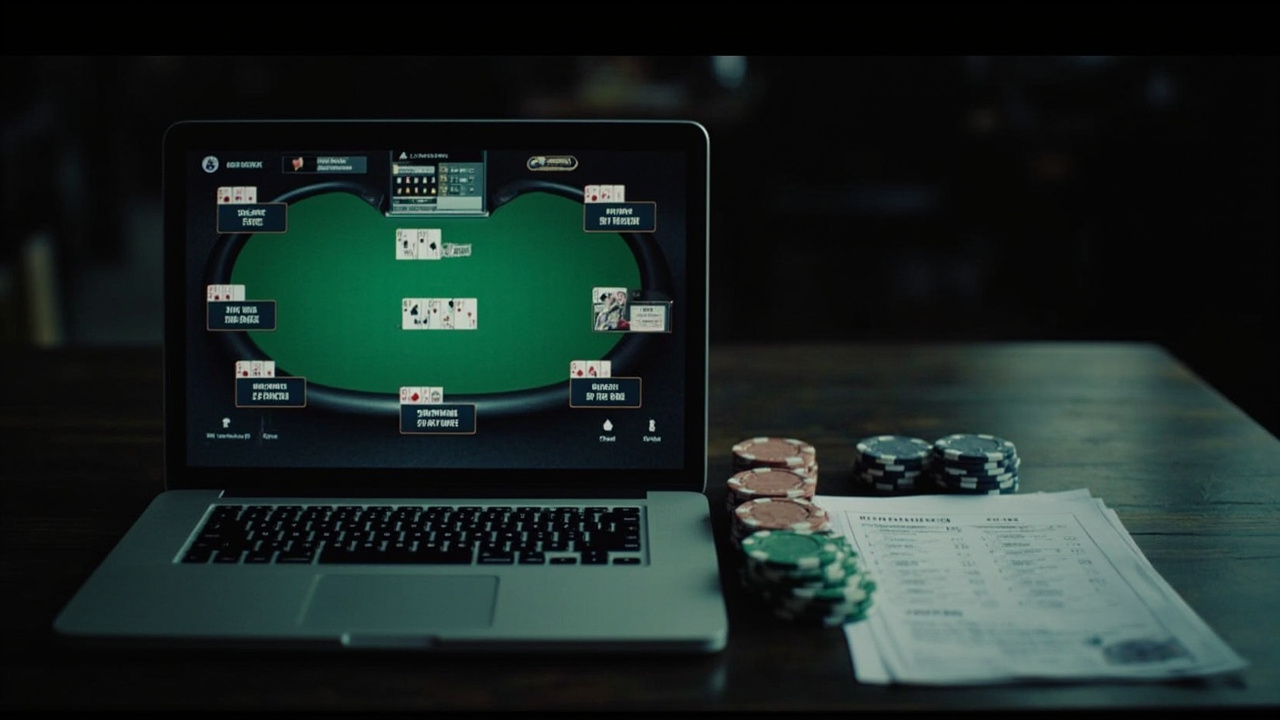
A good session with baccarat starts when you stop treating the felt like a mystery and start treating it like a fixed system with a few clear choices. The rules don’t need to be glamorous to be useful, and the game’s real appeal is that it leaves less room for wishful thinking than a lot of the louder options on a casino floor. Read the drawing logic, know which side carries the edge, and keep the bonus terms separate from the main bet, and you’ve got a much cleaner way to sit down and play.